Form Guide Cross-Referencing Techniques for Tennis and Football Bet Combinations
Written by Klara Peters · Oct 20, 2026
Form Guide Cross-Referencing Techniques for Tennis and Football Bet Combinations
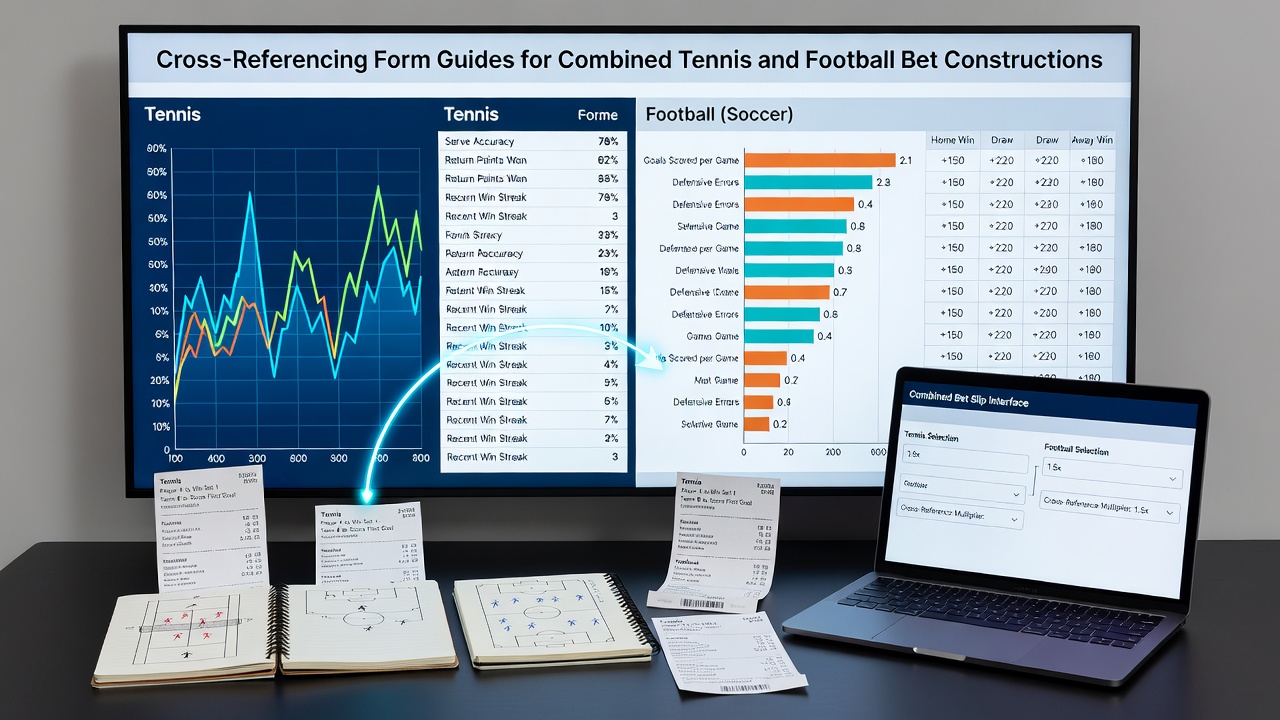
Form guides serve as structured records that detail recent results, key statistics, and contextual factors for athletes and teams across different sports. When applied to combined betting constructions involving tennis and football, these guides allow for layered analysis that connects individual player metrics with team dynamics in soccer matches. Observers note that such cross-referencing relies on aligning variables like surface performance in tennis with home advantage patterns in football leagues.
Core Elements of Tennis Form Guides
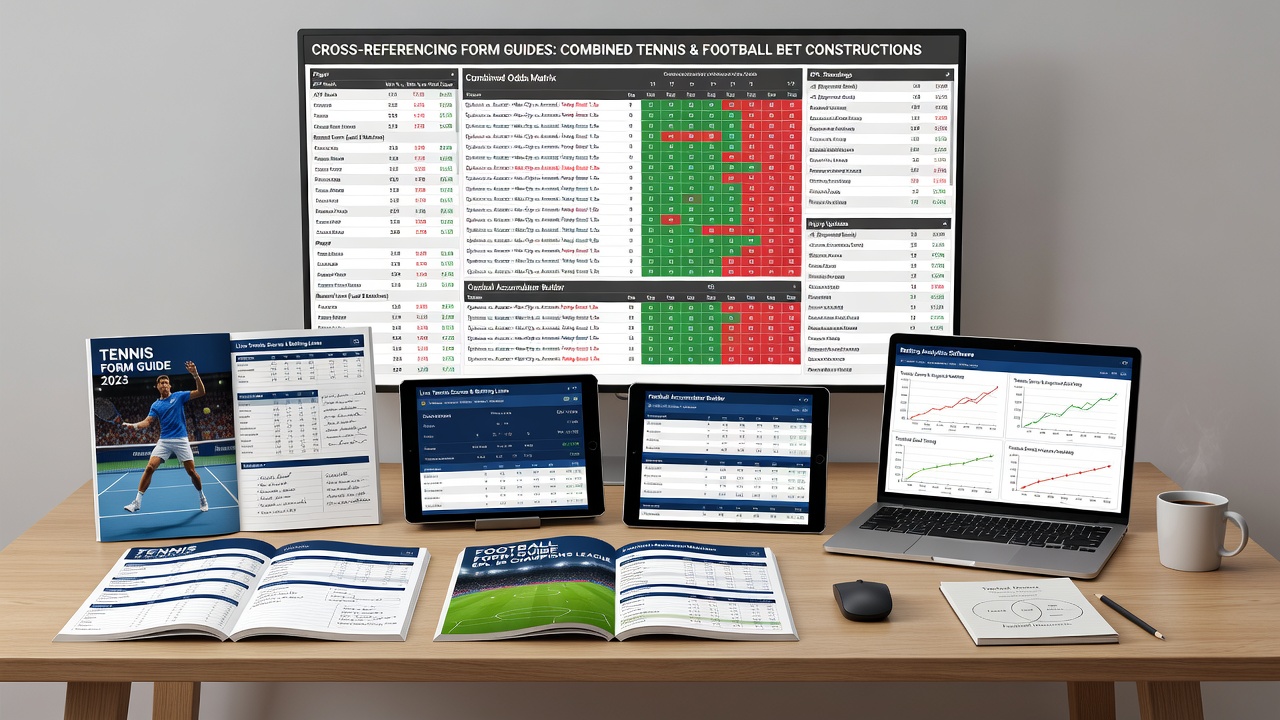
Tennis form guides typically compile data on win rates over the past six to twelve months, surface-specific success percentages, and opponent strength ratings. Researchers track serve percentages, break point conversion, and injury recovery timelines as primary indicators. Data from professional circuits shows that players maintain consistent performance levels when matches occur on similar court types, which creates measurable correlations for bet structuring.
Football Form Guide Components
Football form guides focus on goal differentials, possession statistics, and defensive records across home and away fixtures. Analysts examine sequences of results against comparable opposition levels while factoring in travel distance and fixture congestion. Reports from European sports data repositories indicate that teams exhibit elevated scoring rates during certain monthly periods, providing reference points when paired with tennis outcomes.
Methods for Cross-Referencing Across Sports
Cross-referencing begins with identifying overlapping time frames where both tennis tournaments and football matches occur. One approach involves matching a tennis player's recent form on hard courts with a football club's performance in midweek fixtures, then constructing accumulators that require both events to align with predicted thresholds. Those who've studied multi-sport data often discover that injury reports from one sport influence scheduling perceptions in the other, altering implied probabilities in combined wagers.
Practical Application Examples
Take a scenario where a tennis player demonstrates strong return game statistics in recent events while a football side maintains high clean sheet percentages in domestic competitions. Bettors reference these metrics to build selections that span both disciplines. In October 2026, seasonal transitions in both sports create additional data layers, with indoor tennis events coinciding with early European football campaigns. Studies reveal that such alignments produce distinct statistical clusters when examined over multiple seasons.
Data Sources and Analytical Tools
Comprehensive form analysis draws from publicly available match databases and official sports governing bodies. The Nevada Gaming Control Board publishes aggregated sports wagering data that includes patterns across multiple disciplines. Academic reviews from institutions such as the University of Sydney further document how cross-sport correlations emerge in longitudinal performance records. These resources support objective comparisons without reliance on single-league perspectives.
Statistical Patterns in Combined Constructions
Evidence from industry reports indicates that accumulators incorporating both tennis and football selections show variance based on the number of legs and the specificity of form filters applied. Researchers have observed that tighter criteria around recent results reduce the overall volume of qualifying bets while concentrating outcomes in narrower probability bands. This pattern holds across different geographic markets where both sports maintain active schedules.
Considerations for Data Integration
Integration requires consistent categorization of variables such as rest days between matches and weather impacts on outdoor venues. Those examining combined records note that tennis events often feature shorter turnaround times compared to football fixtures, which affects fatigue modeling. Canadian regulatory summaries from the Alcohol and Gaming Commission of Ontario highlight broader trends in multi-sport betting volumes, underscoring the role of standardized data inputs.
Conclusion
Cross-referencing form guides for tennis and football bet constructions centers on systematic alignment of performance indicators from each sport. This process utilizes established statistical categories and draws from regulatory and academic sources across regions to maintain factual grounding. Patterns identified through these methods continue to inform structured approaches in combined wager development.